“Words shape reality”: Why language shapes our perception of old age
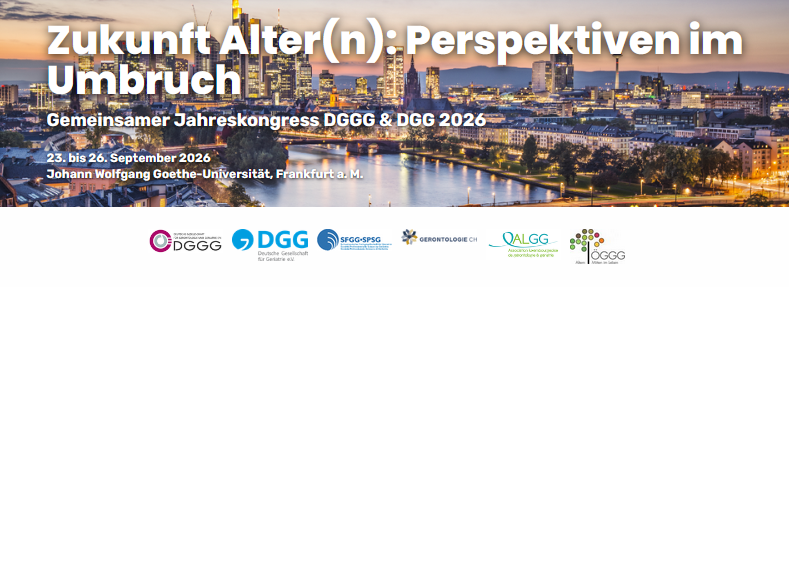
“Silver Tsunami”, “gray tide”, “dead wood” – hardly any other demographic group is described using such drastic imagery as older people. “A term like ‘Silver Tsunami’ portrays older people as a natural disaster. Such linguistic imagery is not harmless; rather, it shapes our perceptions, our policies, the allocation of our resources and, ultimately, intergenerational relations,” says Prof. Dr Ulla Kriebernegg. For the literary and cultural studies scholar, language is far more than a means of describing reality. It influences how we think about old age – and thus also how politics, the media and society treat the very elderly. Perhaps this is why, particularly in public debates, pensioners are often portrayed either as a burden or exclusively as a particularly vulnerable section of the population. Both views fall short. Kriebernegg will present her research and explore the question of how language shapes our view of old age at the joint annual congress of the German Society for Geriatrics (DGG) and the German Society for Gerontology and Geriatrics (DGGG) from 23 to 26 September 2026 in Frankfurt am Main.
Vulnerability and agency are not mutually exclusive
Health risks posed by heat or extreme weather are real and must be taken seriously, emphasises the Graz-based researcher. At the same time, she warns against reducing older people to their vulnerability. “Vulnerability and agency are not mutually exclusive,” says Kriebernegg. Instead of viewing older people solely as those in need of protection, greater attention must be paid to the contribution they themselves can make to social cohesion. The very elderly are not merely affected by social developments, but actively shape them – through experience, commitment and responsibility.
Literature opens up new perspectives
To break down entrenched stereotypes of old age, Kriebernegg turns her attention to literature. Novels and short stories often paint more nuanced pictures of ageing than political or media debates. Whilst Margaret Atwood’s short story ‘Torching the Dusties’ exaggerates how older people become scapegoats for societal crises, Leonora Carrington’s novel *The Hearing Trumpet* tells the story of elderly women who, through their life experience, sense of responsibility and solidarity, actively help shape the future. “Literature shows us that older people need not be either perpetrators or mere victims of climate change. It opens up a space in which we can reflect together on how all generations can shape the future.”
Language shapes our view of old age
In her keynote address, Kriebernegg begins by analysing the linguistic imagery used by politics, the media and the healthcare sector to describe old age. She then contrasts these with literary perspectives, demonstrating that old age can be portrayed in a more nuanced way, without depicting older people as a threat or solely as those in need of care. Her central message: language and stories do not merely describe reality – they shape it. Speaking more consciously about old age helps to break down prejudices and to perceive older people for what they are: people with different life stories, skills and perspectives.
- Keynote:
Prof. Dr. Ulla Kriebernegg
Keynote: ‘Silver Tsunamis, Gray Tides and Dead Wood: Cultural Gerontological Perspectives on Ageing, Climate Change and Vulnerability’
Joint Annual Congress of the DGG and DGGG
Johann Wolfgang Goethe University, Frankfurt am Main
Westend Campus, Lecture Theatre 5
Saturday, 26 September 2026, 10.00 am
www.gerontologie-geriatrie-kongress.org
About the speaker:
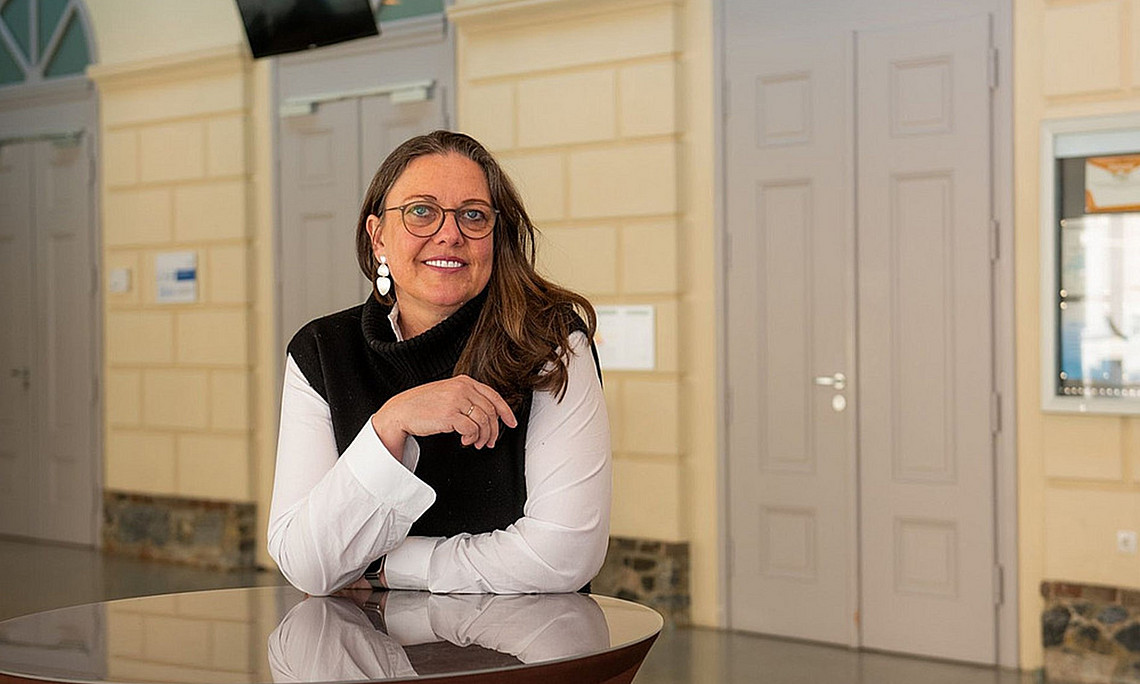
Prof. Dr. Ulla Kriebernegg heads the Centre for Interdisciplinary Ageing and Care Research (CIRAC) at the University of Graz. She is the founder and chair of the Age and Care Research Group Graz, as well as a lecturer at the Medical University of Graz. Her main areas of research include cultural studies of ageing and care, the medical and health humanities, and North American literature and cultural studies. As an associate editor of the journal *The Gerontologist*, editor of the book series *Bloomsbury Studies in the Humanities, Ageing and Later Life*, and a fellow at several international research institutions, she is regarded as one of the leading scholars in the field of cultural gerontology.